
A Staten Island home’s assessed value is a New York City property tax figure. According to the city’s October 2025 tax revenue documentation, the Department of Finance estimates each property’s market value every year, then applies a state-set ratio for its tax class, and some classes have caps on increases. A listing price is the seller’s asking price. Use each for its own purpose.
This article explains the methods described in an October 2025 city document. It is not a current tax calculation, tax advice or legal advice.
How does the city turn market value into assessed value?
The NYC Mayor’s Office of Management and Budget’s Tax Revenue Forecasting Documentation (October 2025) describes the steps:
| Step | What the documentation says |
|---|---|
| Market value | DOF’s Property Division estimates the full market value of each parcel every year |
| Assessment ratio | Actual assessed value is market value multiplied by an assessment ratio that state law sets for each tax class |
| Caps or phase-ins | Class 1 and smaller Class 2 properties have caps on assessed-value growth from market changes. Larger Class 2 and Class 4 properties have market-driven changes phased in over five years |
| Notice | DOF publishes a tentative assessment roll in mid-January and notifies taxpayers of their new assessment level |
How does DOF estimate a home’s market value?
For Class 1 properties, which include one-, two- and three-family homes, the October 2025 documentation says the valuation is based on sales prices of comparable properties, using information from real property transfer tax returns. DOF uses statistical modeling to analyze prices of similar properties, based on factors such as size and location, sold in a neighborhood in the prior three years. The documentation also says co-op and condominium buildings must be valued as if they were rental buildings, without regard to the sale prices of individual units.
This is a valuation for tax administration, not an individualized asking-price recommendation.
Why can assessed value and market value move differently?
Because of the caps, the October 2025 documentation explains, market value growth beyond the cap doesn’t pass through to assessed value. For the capped classes described in that document, this can make the two figures move differently. It does not calculate the figures that apply to your property.
How is a listing price chosen?
A listing price is the seller’s asking price. An assessed value does not dictate the asking price. Discuss current comparable sales and the property’s details with your agent. Keep the tax figures and the pricing conversation separate:
| Question | Where to take it |
|---|---|
| What is my tax class, and what did DOF estimate? | Your Notice of Property Value or DOF’s assessments page |
| Do I have questions about my taxes or assessment? | A qualified tax professional or attorney |
| What asking price fits this property? | A pricing discussion with your listing agent |
Where can you see how homes are priced for sale?
Keep the asking-price context separate from DOF’s assessment records. You can browse the residential listings published by PreReal™ Prendamano Real Estate.
What else do homeowners ask about assessed value and price?
Is DOF’s market value what my home would sell for?
Not necessarily. The city’s October 2025 tax revenue documentation says Class 1 market values are based on statistical modeling of comparable sales in the neighborhood over the prior three years. That is an estimate for tax administration. It is not an asking-price recommendation for an individual sale.
Why might my assessed value not move in step with market value?
The October 2025 documentation explains that state law caps how much assessed value can grow each year from market changes for Class 1 and smaller Class 2 properties. When market value grows faster than the cap allows, assessed value grows more slowly. Larger Class 2 and Class 4 properties use a phase-in instead.
How are co-ops and condos valued for property tax?
The October 2025 documentation says state law (Real Property Tax Law section 581) requires co-op and condominium buildings to be valued as if they were rental buildings, without regard to the sale prices of individual units. That’s one reason a unit’s tax valuation and its asking price can look very different.
Should I use my Notice of Property Value to set my asking price?
The notice serves the property tax process. An assessed value does not dictate the asking price. Discuss current comparable sales and the property’s details with your agent, and ask a tax professional about any tax questions.
When does DOF publish new assessments?
The October 2025 documentation says DOF publishes a tentative assessment roll in mid-January and taxpayers are notified of their new assessment level. Keep the notice for your property records. Questions about reviews or deadlines belong with a qualified tax professional.
Which areas does PreReal™ serve?
PreReal™ Prendamano Real Estate is based on Staten Island and serves all of New York City, all five boroughs. You can browse residential listings on Staten Island on our website or contact the office with questions.
Thinking about listing a home on Staten Island or elsewhere in New York City? PreReal™ focuses on Staten Island and serves all five boroughs. Contact PreReal™ Prendamano Real Estate at 7448 Amboy Road, Staten Island, NY 10307, or call 718-200-7799.
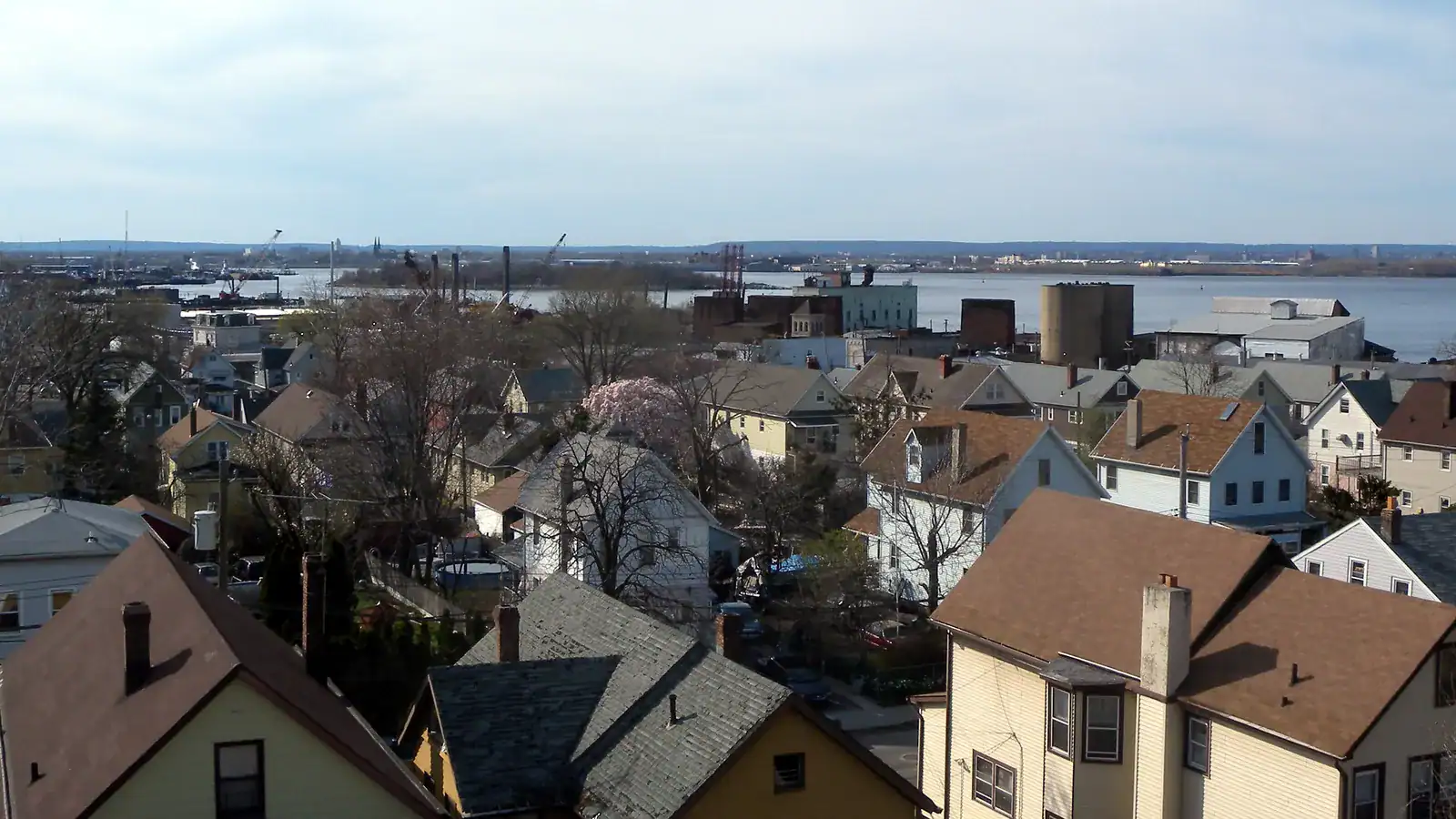
Featured photo: Mariners Harbor from the Bayonne Bridge by Jim.henderson, via Wikimedia Commons, CC0 1.0.






Leave a Comment