
Condos
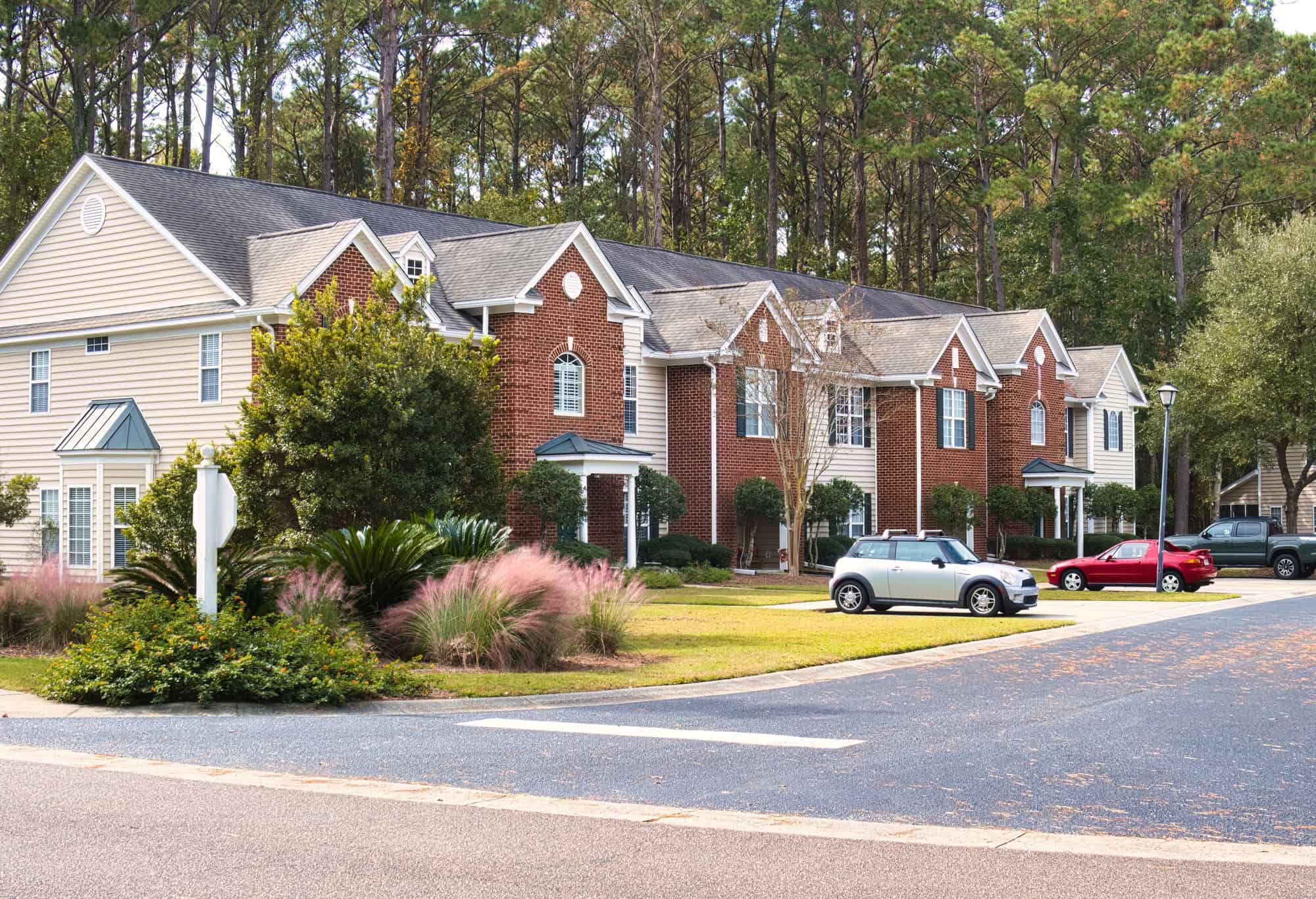
Simply put, a condominium or condo is a large structure divided into individual units that are sold separately. The words condo and apartment have been used interchangeably for a long time. While the two look nearly alike from an aesthetic perspective, they are different in terms of ownership and legal status.
With a condo, you acquire ownership of your unit by purchasing it, and you may finance that purchase with a mortgage, just as you would with a house.
Note that condo ownership usually covers the unit itself, often described as the airspace inside the unit’s walls. Everything else, such as the exterior of the structure, the shared walls and the common areas outside the individual units, is governed by the condo association.
Pros of a Condo
Minimal Maintenance: The main advantage of a condo is that a significant part of maintenance is covered. The HOA takes care of major repairs, such as fixing the roof, and handles upkeep of the grounds and common areas. That can save money, and it makes a condo a low-maintenance option: no roof repairs, exterior painting or landscaping to schedule on your own.
Property Appreciation: The value of condos has been rising steadily over the past years. If you want a property you can hold as an investment and resell later, a condo is worth considering.
Convenient Location: Condominiums are mostly located near the city or are surrounded by necessary amenities. Many sit close to main roads and public transit, so getting to work, shops and services doesn’t mean walking or driving for hours just to reach the main road.
Security Features: Many condo communities are gated, and some have on-site security staff or controlled building entry. Features like these can add peace of mind when the unit is left empty for days at a time, and a staffed or controlled entrance is in place at any hour.
Cons of a Condo
Reselling a Condo Can Be a Challenge: Despite the attractive appreciation, HOA regulations on condos can make them harder to resell. Rules on rentals, renovations and approvals can narrow the pool of possible purchasers and add steps to a sale.
Homeowners Association Fee: Condo owners are expected to pay a monthly HOA fee that covers property maintenance and future upgrades. Factor that fee into your total monthly cost alongside the mortgage and taxes.
Less Privacy: A condo comes with less privacy than a detached home. Units share walls, floors and ceilings with neighboring units, so sound can carry, and shared hallways and amenities are used by everyone in the building.
Apartments
An apartment has a nearly similar definition as a condo, only that, in this case, you rent the space. Apartments are self-contained, fitted with all essentials, including housekeeping facilities. You pay rent to live in that space for a specified period under the terms of a lease.
The building owner retains full ownership of the property and everything in it. Because there’s no purchase, no down payment and no mortgage, renting an apartment is a flexible, lower-commitment option that’s easier to leave when the lease ends.
Pros of Apartments
Minimal Maintenance: A large part of apartment maintenance is covered by the property owner or management company. You no longer have to worry about paying to fix a clogged drain or broken pipe. The landlord is also responsible for most non-structural maintenance.
Cost-Effective: Apartments usually carry the lowest upfront cost of the three options. Besides the predictable monthly rent, bills such as electricity, water and HVAC tend to cost less in a smaller space.
Compact, Efficient Footprint: Smaller units mean less space to furnish, heat, cool and clean. Studios and one-bedroom layouts keep monthly costs and upkeep down.
Cons of Apartments
Less Privacy: Living in an apartment means shared walls, floors and hallways. Noise from neighboring units and common areas is part of the trade-off.
Small Spaces: Apartments are small, which can feel tight if you need extra bedrooms, storage or room to spread out.
Limited Personalization: Since you do not own the unit, the extent to which you can modify the apartment to match your taste and preference is limited.
Town House
If you plan on buying a house, you may be contemplating purchasing a townhouse, but what is a townhouse? Also known as a row house, a townhouse is a house that shares one or more walls with adjacent properties. Depending on the location, it can come with its own driveway, backyard and garage.
When comparing a condo vs. townhouse or apartment vs. townhouse, a townhouse is a winner in terms of privacy and space. You may choose to buy or rent a townhouse, but the property will be under the HOA regulations in both cases.
Pros of a Townhouse
Affordability: Townhouses are much more affordable than detached houses, and they offer many of the same benefits. The price difference comes from the shared walls, which make townhouses cheaper to construct.
Easy Maintenance: You only need to take care of interior maintenance. The HOA covers everything else.
Luxurious Amenities: Many townhouse communities feature shared luxury amenities such as swimming pools, playgrounds, tennis courts and gym facilities.
Privacy: When considering a condo vs. apartment vs. townhouse, a townhouse offers more privacy than the other two choices. With no units above or below you, you have more control over your own space and house rules.
Cons of a Townhouse
HOA Regulations: The property is under the HOA, and you are required to pay a fee, sometimes an expensive one, for maintenance and future upkeep.
If you’re struggling to make a decision, you can’t go wrong by working with a real estate agency. An experienced agent will offer guidance and help make the home search faster.
Condo vs Apartment vs Townhouse: Which One Is the Right Home for You?
In one industry survey of apartment amenities, respondents said they prefer smart home amenities over pools or an on-site gym. Still, if shared amenities such as a pool, clubhouse or gym are high on your list, a condo deserves a look. If you need a home whose rules allow specific pet breeds, a townhouse may be the better fit.
The right home option in condo vs apartment vs townhouse depends on the features you need and your budget. Be sure to understand the pros and cons of each before making a final decision. Also, get more ideas by reading our other blogs.





Leave a Comment